










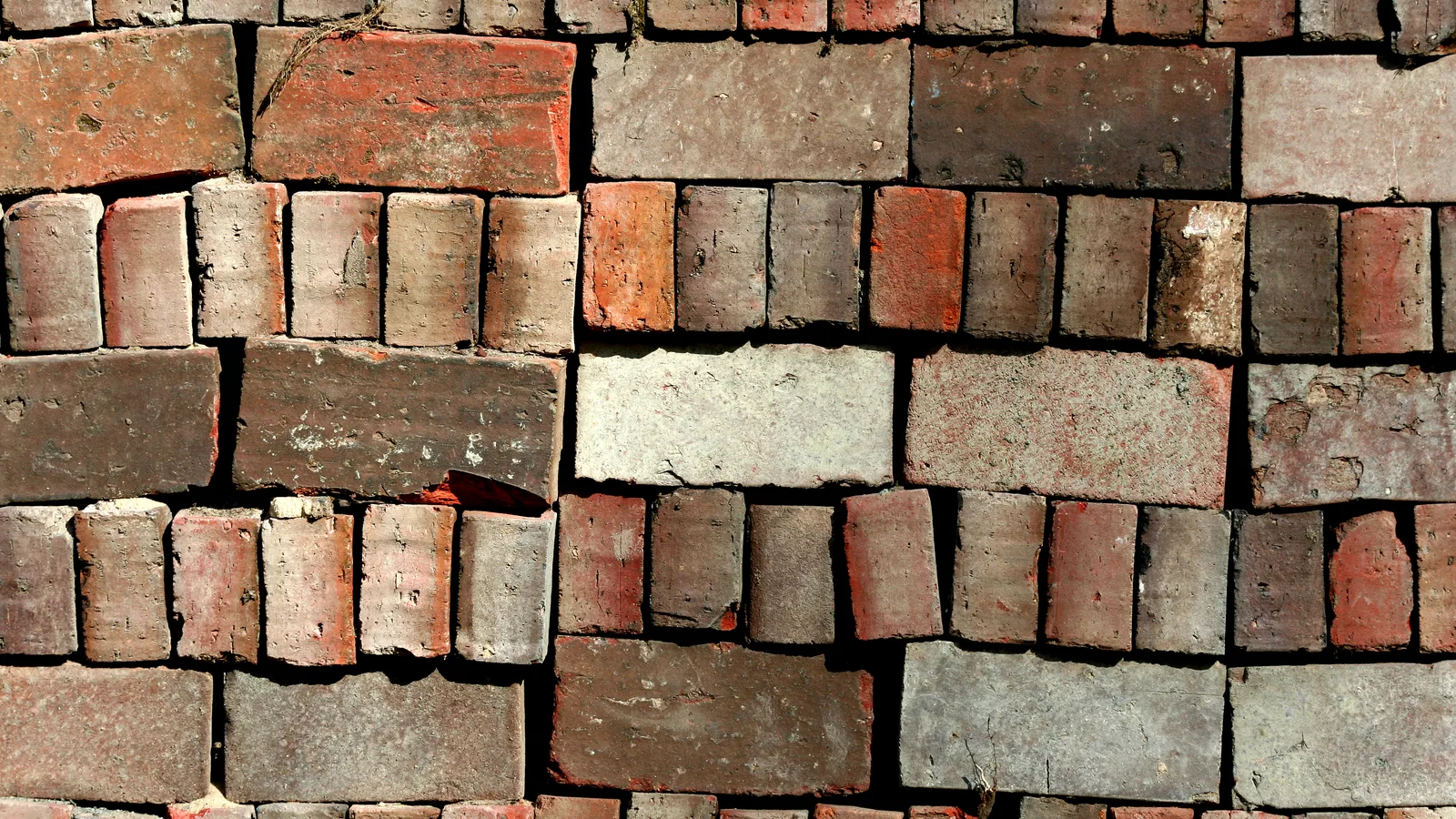
The Haverstraw Brick Museum on Main Street has given its current exhibition to a Rockland woman whose name turns up in the history of American modern art, a Manhattan bookshop and the gardens behind the county courthouse: The Remarkable Landscape Design of Mary Mowbray-Clarke. The show is on view now, on the museum's fall weekend hours, alongside a new exhibition on four centuries of Haverstraw history.
Who Mary Mowbray-Clarke was
The museum's exhibition follows her through three careers. With her husband, the sculptor John F. Mowbray-Clarke, she helped organize the 1913 Armory Show in New York, the exhibition that introduced many Americans to European painters such as Picasso and Van Gogh and also hung American artists including Arthur B. Davies and Edward Hopper, who grew up in Nyack.
From 1916 to 1927 she co-ran the Sunwise Turn, a women-owned bookstore in New York City that became a meeting place for writers, artists and progressive causes. A young Peggy Guggenheim interned there in 1920, and the museum credits the shop with her first exposure to avant-garde artists.
The part of the story that stayed in Rockland came during the Great Depression. Mowbray-Clarke studied landscape architecture, won state and federal New Deal funding, and built the Dutch Gardens in New City, which mix native plants with traditional Dutch bulbs. According to the museum, she was the only known woman foreman of a Works Progress Administration project. Photographs in the exhibition show her in the Dutch Garden and the garden in bloom, from the museum's collection and the Janet Newmann collection.
Also on view: A Sense of Place
The museum's newest exhibition, A Sense of Place: Haverstraw History, 1616 to 2026, lays out the village's past along a timeline and uses a single American flag to tie it together. The flag was made at the Garner Print Works and flew over the Garner brickyard from 1908 to 1912, when Haverstraw's clay banks supplied a large share of the bricks that built New York City.
Sculptor James Tyler's Exploring Brick Traditions is also in the galleries: colossal heads built partly from found bricks salvaged from Haverstraw's brickyards, made to honor the people who worked them. The museum's permanent displays include handmade dioramas of the brick industry and The Brickyards, an installation that covers the yards from the 1600s to the 1940s.
A talk on brick ruins
The museum is also selling tickets through Eventbrite for a guest lecture, Brick and Brick Ruins of the Hudson Valley, by Thomas Rinaldi and Robert Yasinac, co-authors of the book Forgotten Landmarks of an American Landscape. The date and ticket details are on the museum's Eventbrite listing.
How to visit
Fall hours are Saturdays and Sundays from noon to 4 p.m. The museum also opens by appointment on Tuesdays, Thursdays and Fridays from 11 a.m. to 4 p.m., and asks for at least two weeks' notice for group tours and school visits, which can include educational programs on request.
Haverstraw Brick Museum: 12 Main Street, Haverstraw. Saturdays and Sundays, noon to 4 p.m., and weekdays by appointment. 845-947-3505, info@haverstrawbrickmuseum.org.
Loading comments…